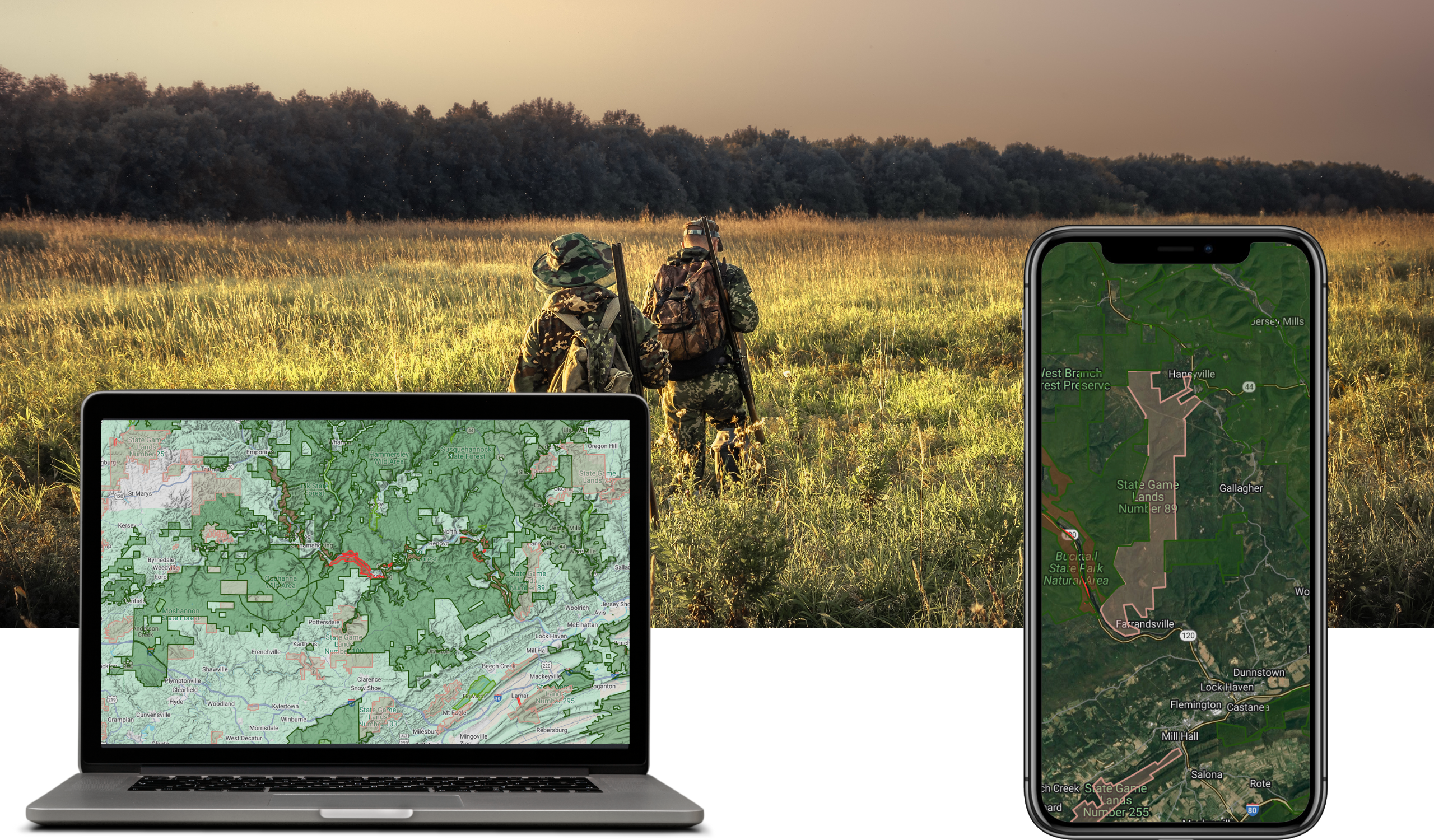
The Bureau of Land Management oversees roughly 245 million acres of public land, much of it in premier hunting country across states like Montana, Idaho, California, and other Western destinations heavily used by big game hunters. From mule deer and elk habitat to access roads, water developments, sagebrush conservation, and land-use planning, BLM decisions directly affect hunting opportunity.
Pearce, a former U.S. Congressman from New Mexico, has built his political career around support for domestic energy production, grazing, and local control of federal land management. Supporters say that could mean a more pragmatic approach to keeping public lands accessible for traditional uses, including hunting, while critics worry that industrial development could come at the expense of habitat quality and conservation priorities.
For hunters, here are some of the key areas to watch.
Public Access: Opportunity or Uncertainty?
BLM lands provide millions of acres of public hunting access, especially in the West. In theory, a leadership team focused on active land use could improve access by maintaining roads, reducing bureaucratic delays for access projects, and emphasizing recreational use alongside grazing and resource development.
But access cuts both ways.
Energy development, mining activity, and infrastructure expansion can sometimes improve physical access through new roads, but they can also result in temporary closures, seasonal restrictions, or long-term habitat fragmentation in key hunting areas.
For hunters who rely on large tracts of uninterrupted public land, the details of future land-use plans will matter more than political messaging.
Habitat Quality Could Be the Bigger Story
Access gets attention, but habitat often determines the long-term health of hunting opportunity.
BLM manages critical winter range, migration corridors, and sagebrush ecosystems that support mule deer, pronghorn, elk, upland birds, and countless non-game species.
A stronger push toward faster permitting for oil, gas, mining, and infrastructure projects could create additional pressure on some of these landscapes—particularly in states where big game herds already face habitat stress.
That does not automatically mean worse outcomes for hunters. Some land management actions, including water developments, vegetation projects, and invasive species control, can improve habitat when properly managed. The question will be whether conservation remains a central priority alongside development.
State-by-State Impact for Hunterizer Hunters
Montana:
BLM parcels play an important role in elk, mule deer, antelope, and upland hunting access. Changes to land-use priorities could influence habitat connectivity and access routes.
Idaho:
BLM lands are critical for mule deer, elk, black bear, and pronghorn hunters. Development pressure in sagebrush country could become a key issue.
California:
While California has less BLM acreage than some neighboring states, those lands are highly important for deer, upland birds, predator hunting, and access in remote regions.
The “Public Land Selloff” Question
One issue hunters are likely to keep watching is whether broader federal policy discussions revive proposals involving land transfers or sales.
Pearce has historically supported stronger state and local influence over federal land decisions, which has made some public-land advocates uneasy. No broad selloff proposal is currently on the table as part of this appointment, but public access groups are expected to watch future policy closely.
For hunters, maintaining public ownership is often the baseline concern—because access lost to privatization is rarely regained.
What Hunters Should Watch Next
The confirmation itself does not immediately change hunting rules. But future BLM decisions could affect:
- hunting access road availability
- habitat restoration priorities
- migration corridor protections
- sage grouse management decisions
- grazing and water project policies
- oil, gas, and mining approvals on public land
- land-use plans that shape hunting opportunity for years
For hunters who depend on public land, leadership changes at BLM are never just political headlines. They can shape where—and how—we hunt.