WASHINGTON — The U.S. Forest Service is gearing up for a major hiring effort of seasonal employees for 2026 as it prepares for another busy year maintaining national forests and grasslands across the country. The agency says the positions will support a wide range of activities that matter to hunters, conservationists, and visitors who rely on healthy public lands and robust recreational access.
Seasonal staff are a backbone of many Forest Service operations, helping sustain wildfire prevention efforts, trail upkeep, visitor services, wildlife habitat projects, and outdoor recreation programming. With an active field season stretching from early spring through fall, the Forest Service expects these hires will bolster staffing at ranger districts, visitor centers, and natural resource offices nationwide.
Jobs That Impact Hunters and Outdoor Enthusiasts
Many of the seasonal roles scheduled for recruitment in 2026 are directly tied to the outdoor experience. Positions such as recreation technicians, wildlife assistants, archeological aides, and trail crews support tasks that enhance public hunting opportunities and preserve the natural resources that wildlife depend on.
For hunters, this can mean more staff on the ground helping maintain access routes to remote hunt units, inspecting and stocking wildlife water developments, and supporting habitat treatments that benefit game species. Seasonal wildlife technicians also assist with vegetation management projects and wildlife surveys that inform long-range planning for sustainable game populations.
Officials stress that seasonal employees are essential in carrying out agency priorities like managing invasive species, stewarding sensitive ecosystems, and enhancing the visitor experience in frequently used hunting areas.
Boosting Conservation and Land Stewardship
Beyond recreation, many seasonal roles involve conservation work that underpins the long-term health of forests and grasslands. These can include positions in range management, soil and water monitoring, endangered species support, and educational outreach.
Forest Service leaders highlight that these hires help advance priority conservation actions, from planting native vegetation to reducing erosion on trails and riparian areas. Seasonal employees also serve as additional staff during habitat restoration projects and fuels reduction work aimed at minimizing wildfire impacts.
Application Process and Timeline
Prospective applicants are encouraged to start preparing now, as listings for seasonal jobs typically open in late winter and early spring. Positions are advertised on federal job platforms, and candidates can search by location, job category, and agency to find opportunities that fit their interests.
Because many jobs are in field settings or rural communities, hunters and outdoor enthusiasts who enjoy hands-on work outdoors often find these positions rewarding while aligning with their passion for stewardship.
Why It Matters to Public Land Users
For the hunting community and other public land visitors, the seasonal workforce helps ensure that forests and grasslands remain accessible, well-managed, and safe. From mowing trail corridors and maintaining boundary signage to assisting with visitor information and resource monitoring, these staff members play a visible role in everyday experiences on public lands.
Conservation groups also point out that seasonal staffing boosts the Forest Service’s capacity to implement science-based practices that protect wildlife habitat and biodiversity — ensuring that ecosystems remain resilient for future generations.
Looking Ahead
As the agency prepares for the 2026 field season, officials emphasize that the seasonal workforce offers not just a job, but an opportunity to contribute directly to conservation and public land stewardship. Whether helping a first-time hunter navigate a campground, assisting with wildlife surveys, or clearing miles of backcountry trail, these roles reflect a shared commitment to sustainable, well-managed national forests that serve both people and wildlife.
Hunters, conservationists, and outdoor professionals interested in federal employment are urged to monitor announcements and apply early — with the understanding that every seasonal hire supports vibrant, accessible public lands for all.
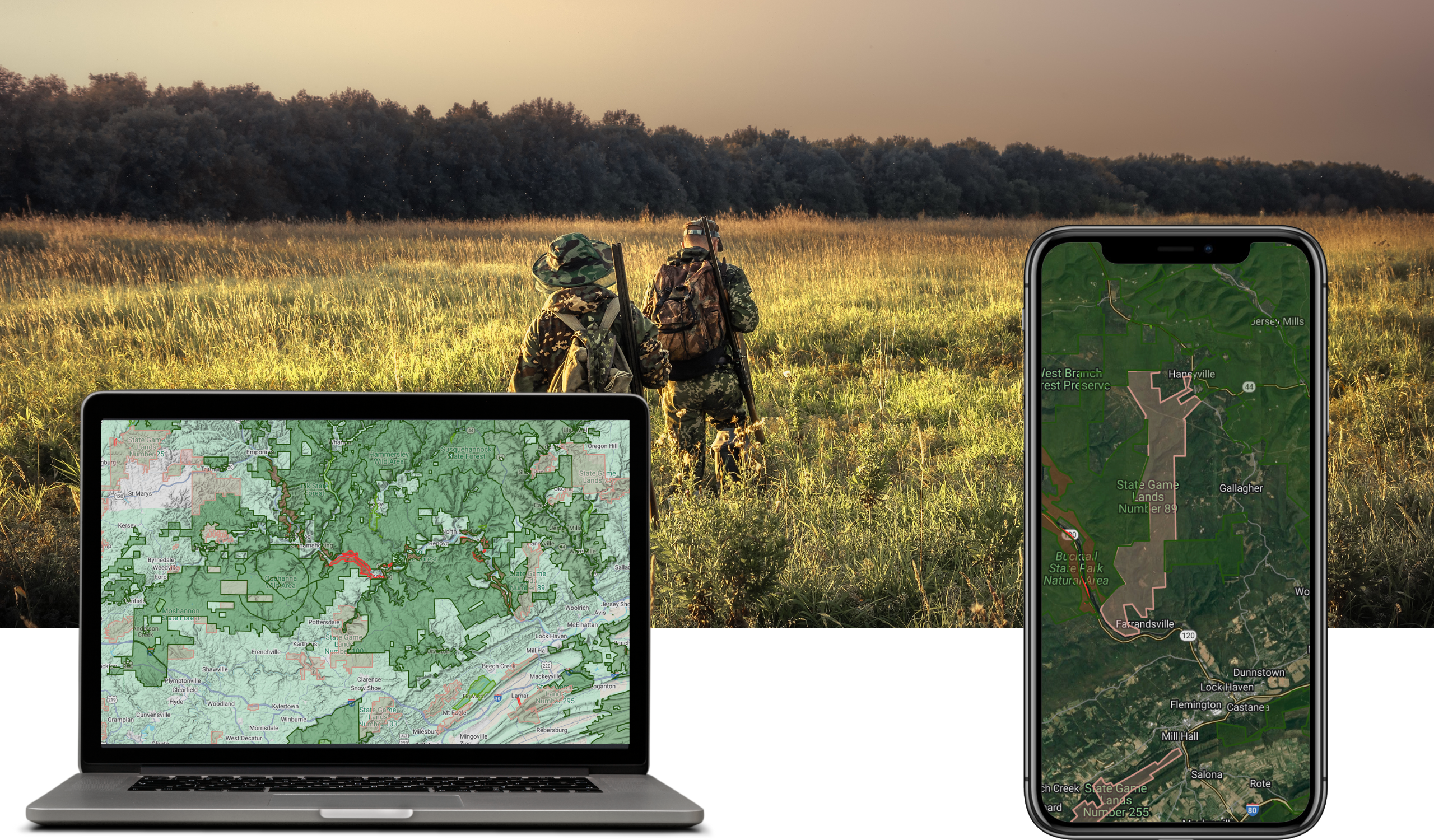
Hunterizer App
Know exactly what you can hunt — today, at your location.
GPS-based regulations, bag limits, and season dates for all 50 states. Never guess again.