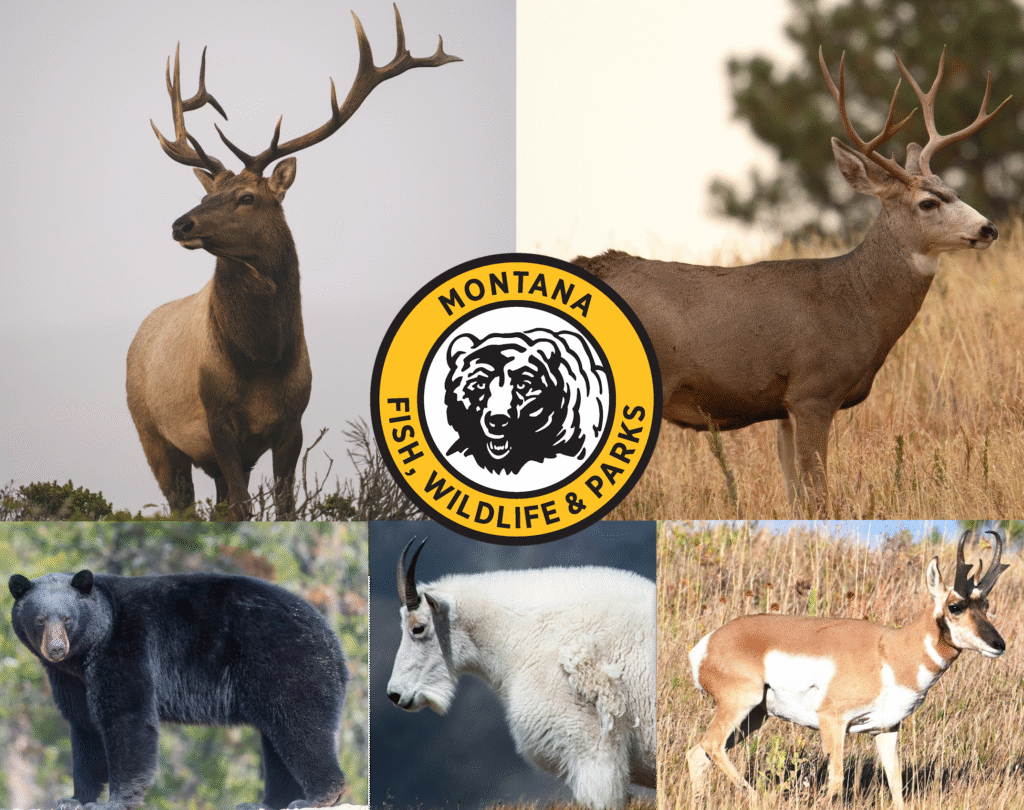
New License Year Begins March 1
March 1 marks the start of Montana’s new hunting license year, opening the door for conservation licenses, base hunting licenses, and applications for big game drawings. For resident and nonresident hunters alike, this date signals the beginning of the planning cycle for fall hunts, limited-entry permits, and combination licenses.
Alongside the annual reset, the 2026 season arrives with notable legislative and regulatory changes aimed at balancing hunting pressure, addressing mule deer declines, and prioritizing resident opportunity.
Legislative Changes Affecting Hunters
Recent action by the Montana Legislature and the Montana Fish and Wildlife Commission introduced several changes that will shape upcoming seasons:
Resident head start for upland birds
A new law requires nonresident upland game bird hunters (including spring turkey hunters) to begin hunting 10 days later than residents on public lands and properties enrolled in access programs. The change is intended to reduce crowding and preserve early-season opportunity for residents.
Reduced nonresident deer licenses
Regulators approved a reduction of roughly 2,500 nonresident deer licenses beginning with the 2026–2027 seasons to address pressure and declining mule deer populations.
Limits and mule deer protections
New rules also reduce the number of deer a hunter may harvest and limit some mule deer B licenses to private land in affected areas.
Additional regulatory adjustments
Hunters should review district boundary updates, tag allocations, and changes to certain license limits and application procedures. These changes reflect ongoing efforts to manage wildlife populations while maintaining quality hunting experiences.
Deer & Elk License Availability: Who Can Get What
Understanding license structure is critical before the application deadlines.
Resident Hunters
Residents enjoy broad access and flexibility:
- General Deer License – Over-the-counter; valid in most general districts.
- General Elk License – Available OTC for most districts.
- Antlerless “B” licenses – Available by drawing or surplus sale depending on district.
- Permit-only districts – Trophy units and special hunts require drawing.
Residents must hold a conservation license and base hunting license before purchasing species licenses.
Nonresident Hunters
Nonresidents primarily hunt deer and elk through combination licenses:
- Big Game Combination – Includes general deer, general elk, upland bird, and fishing privileges.
- Elk Combination – Elk hunting plus upland bird and fishing.
- Deer Combination – Deer hunting plus upland bird and fishing.
- Preference/bonus point systems influence drawing success.
Nonresident opportunities are limited and highly competitive, with quotas and drawing systems controlling participation. Nonresidents will be limited to one Deer B License, or two, if they draw a combo license.
Special Nonresident Opportunities:
Come Home to Hunt licenses (limited number) allow former residents to hunt with a sponsoring resident relative.
- Nonresident student license allows qualifying college students in Montana to hunt deer, elk, and birds.
- Any returned or surplus nonresident licenses may become available later in the year.
Elk Opportunities and Shoulder Seasons
Elk hunters should note:
- General elk licenses provide access to many districts.
- Limited-entry permits are required for trophy areas.
- Shoulder seasons may extend opportunities where elk populations exceed objectives.
These extended seasons are designed to manage herds and reduce agricultural conflicts.
Other Big Game Applications Opening Soon
The new license year also launches application periods for:
- Antelope – Draw required for most districts.
- Black Bear – Spring and fall seasons; some areas require permits.
- Moose, Bighorn Sheep & Mountain Goat – Once-in-a-lifetime draws with extremely low odds.
- Bison – Highly limited permits issued by drawing.
Additionally, updated regulations include changes to unlimited bighorn sheep license application procedures.
Upland Bird Season Change: What It Means
Starting in 2026:
- Residents hunt upland birds on the traditional opener.
- Nonresidents must wait 10 days to begin hunting (except mountain grouse, but including spring turkey).
- The change applies on public land and access program properties.
This shift primarily affects turkey, pheasant, sharp-tailed grouse, and partridge hunting in eastern Montana, where early-season pressure has increased.
Planning Ahead for the Season
With licenses on sale and application windows opening, hunters should:
- Purchase conservation and base licenses early
- Submit big game applications before deadlines
- Review district regulations and quota changes
- Monitor drawing results and surplus license releases
Staying informed is especially important this year as new rules and legislative changes reshape opportunity.
For the latest regulation updates, drawing deadlines, and in-season changes, Montana hunters can track opportunities and breaking news using the Hunterizer.
Hunterizer App
Hunting Montana? See exactly what’s in season at your GPS location.
The Hunterizer app shows species, bag limits, and zone rules for your exact coordinates — for every county in Montana.